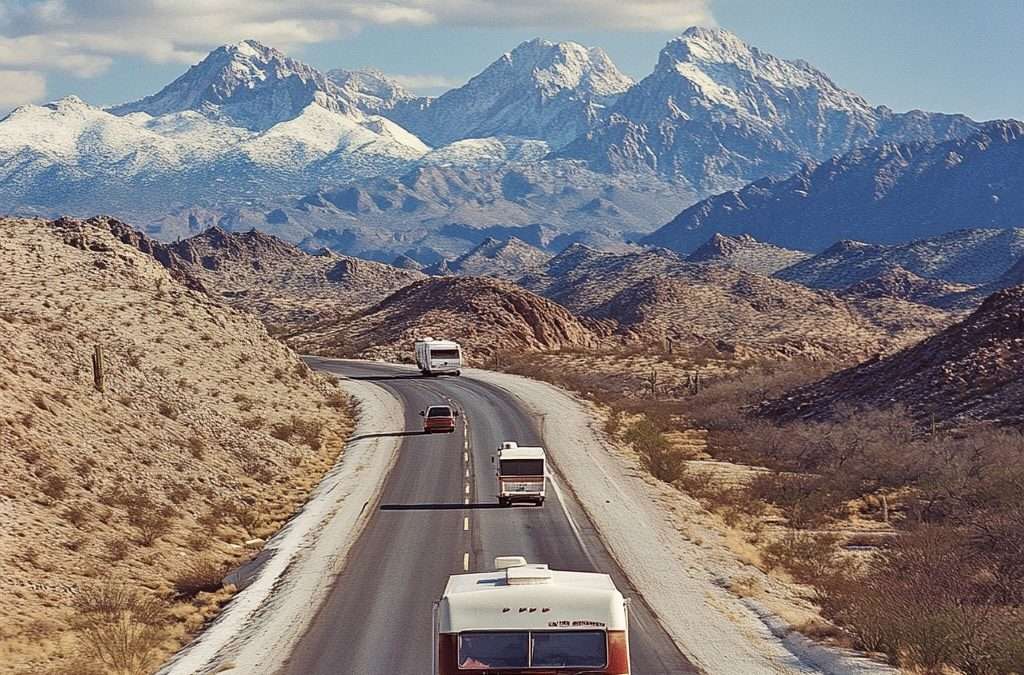
The Complete Guide to Snowbirds in Arizona
Arizona has long been a favorite winter destination for “Arizona snowbirds”—retirees or semi-retirees who migrate south each year to escape colder climates. This influx, largely from northern U.S. states and Canada, brings seasonal warmth to Arizona’s economy and communities, with Scottsdale, Mesa, and Apache Junction among the most popular spots. This article provides an in-depth look at the snowbird lifestyle, including the economic benefits to Arizona, how locals feel about this seasonal population, the best activities, and even insights on dating and relationships for divorced or widowed Arizona snowbirds.
What Are Arizona Snowbirds?
Arizona Snowbirds are seasonal residents, typically retirees, who leave their colder northern homes for the warm winters of Arizona. While many are U.S. citizens, a substantial number come from Canada and other parts of the world. For these snowbirds, Arizona offers a pleasant escape from winter, with average winter temperatures ranging from 60-75°F.
Economic Impact of Snowbirds in Arizona
Snowbirds significantly impact Arizona’s economy, contributing millions of dollars each winter through housing, entertainment, dining, healthcare, and retail spending.
- Housing Market Boost: Snowbirds often rent condos, houses, or RV spaces, sometimes for up to six months. Seasonal rentals in Scottsdale and Mesa can cost anywhere from $1,200 to over $3,000 per month, creating a lucrative market for property owners.
- Increased Retail and Dining Sales: Local businesses in cities like Scottsdale and Phoenix see a substantial rise in sales during snowbird season. Restaurants, coffee shops, golf courses, and retail stores benefit from the influx of seasonal residents.
- Healthcare Spending: Arizona’s healthcare sector experiences a boost as many snowbirds require regular medical checkups, prescription refills, or minor medical care during their stay.
- Employment Opportunities: The seasonal influx of snowbirds creates job opportunities in service industries such as hospitality, healthcare, and retail, adding to Arizona’s employment rates during winter months.
- Overall Contribution: Each winter, snowbirds contribute an estimated $1 billion or more to Arizona’s economy, supporting local businesses, creating seasonal jobs, and adding to state and local tax revenues.

Arizona Snowbird Rentals
Arizona snowbird rentals are popular accommodation options for seasonal residents who flock to the state to escape cold winters. These rentals range from apartments and condos to entire homes, available for monthly or seasonal leases in snowbird-friendly cities like Scottsdale, Mesa, and Phoenix. Renting allows snowbirds flexibility without the long-term commitment of ownership, with rental prices varying by location and amenities. Pet-friendly and fully furnished options are available, making it convenient for snowbirds to settle in quickly and comfortably.
Arizona Snowbird RV Parks
Arizona snowbird RV parks cater specifically to the RV lifestyle that many snowbirds prefer. These parks provide seasonal parking with amenities like hook-ups, laundry facilities, swimming pools, and community events. RV parks are especially popular in cities like Mesa and Apache Junction, where communities are welcoming and provide a social environment. Arizona’s mild winters and stunning landscapes make RV living ideal for snowbirds, offering both affordability and convenience.
Arizona Snowbird Locations
Popular Arizona snowbird locations include cities like Scottsdale, Mesa, and Tucson, each offering its unique appeal. Scottsdale is known for luxury living, golfing, and cultural activities, while Mesa is favored for its affordable cost of living and large snowbird communities. Tucson appeals to those who love outdoor adventures and scenic beauty. Smaller towns like Apache Junction and Quartzsite also attract snowbirds with RV-friendly options and peaceful settings.
Arizona Snowbird Season
Arizona snowbird season typically runs from October to April, with the highest influx of snowbirds arriving in November and December. This period allows snowbirds to enjoy Arizona’s mild winter temperatures, avoiding the extreme cold of northern states or Canada. During this season, Arizona sees a surge in demand for seasonal rentals, RV spaces, and social activities tailored to retirees and seasonal residents.
Arizona Snowbirds Statistics
Statistics on Arizona snowbirds show that hundreds of thousands flock to Arizona each winter, with numbers reaching up to 500,000 in peak months. A large portion of these snowbirds are retirees from northern states and Canada, and their presence contributes significantly to the local economy. The economic impact of Arizona snowbirds is substantial, with billions spent annually on housing, dining, healthcare, and entertainment.
Arizona Snowbird Rentals Pet Friendly
Pet-friendly Arizona snowbird rentals are in high demand, as many snowbirds travel with their furry companions. These rentals often feature pet-friendly policies, fenced yards, and nearby pet parks to accommodate pets comfortably. Cities like Scottsdale, Phoenix, and Mesa offer a variety of pet-friendly rentals, ensuring that snowbirds don’t have to leave their pets behind when escaping the winter chill.
Arizona Snowbird Destinations
Top Arizona snowbird destinations include Scottsdale, Mesa, Tucson, and Apache Junction. Each destination offers different activities and lifestyles, catering to a variety of snowbird preferences. Scottsdale is ideal for those seeking a luxury experience, while Mesa and Apache Junction provide a more laid-back, community-oriented atmosphere. Tucson appeals to those interested in culture and the arts, as well as outdoor activities like hiking and bird watching.
Arizona Snowbird Homes for Sale
Many Arizona snowbirds eventually decide to purchase homes in the state after enjoying multiple seasons as renters. Arizona snowbird homes for sale range from cozy condos to spacious single-family homes in 55+ communities. Buying a home allows snowbirds to establish a semi-permanent base, often taking advantage of Arizona’s favorable real estate market and lower cost of living compared to other popular winter destinations.
Arizona Snowbirds Meme
The “Arizona snowbirds meme” is an internet phenomenon that humorously captures the quirks of snowbird culture, including the influx of retirees, the prevalence of RVs, and the migration pattern from cold climates to Arizona’s warmth. These memes often highlight the seasonal increase in traffic, the popularity of golfing, and the leisurely lifestyle snowbirds enjoy, providing a lighthearted view on this unique demographic.
Arizona Snowbird Parks
Arizona snowbird parks refer to both RV parks and community parks where snowbirds congregate. These parks often have amenities such as clubhouses, swimming pools, and organized social events to foster community among seasonal residents. Some parks are dedicated entirely to snowbirds, providing a close-knit environment where residents can build friendships and participate in group activities, making them popular choices for those looking to stay active and social during their winter retreat.
How Locals Feel About Snowbirds
Arizona locals have mixed feelings about the seasonal influx of snowbirds. For many, snowbirds are a welcome economic boon, supporting local businesses and creating jobs. However, some locals express frustration with increased traffic, crowded restaurants, and longer wait times at popular spots during the snowbird season.
Positive Perspectives:
- Economic Support: Many locals acknowledge that snowbirds contribute positively to the economy, keeping businesses thriving in the winter months.
- Social and Cultural Enrichment: Some Arizonans appreciate the diversity snowbirds bring, as they share stories, traditions, and experiences from their northern homes.
Challenges:
- Traffic Congestion: Snowbirds, especially those in RVs, can contribute to traffic congestion on Arizona’s highways and in popular areas like Scottsdale.
- Crowded Facilities: During snowbird season, locals sometimes face longer wait times at restaurants, golf courses, and healthcare facilities.
Overall, while there are minor inconveniences, most locals recognize and appreciate the economic and cultural contributions of snowbirds to Arizona communities.

Popular Activities and Social Life for Snowbirds in Arizona
Snowbirds in Arizona have no shortage of activities to keep them entertained, from outdoor adventures to social clubs and cultural experiences.
Outdoor Activities
- Golfing: Arizona is a golfer’s paradise, with hundreds of world-class golf courses in Scottsdale, Phoenix, and Tucson. Snowbirds often join local golf clubs or leagues, adding a social dimension to their rounds.
- Hiking and Nature Walks: Popular trails like Camelback Mountain and the Superstition Mountains offer snowbirds scenic spots to stay active and enjoy Arizona’s natural beauty.
- RV and Camping: Many snowbirds travel in RVs and stay in RV parks with amenities like swimming pools, organized activities, and social gatherings, fostering a sense of community.
Social and Cultural Activities
- Art and Music Events: Scottsdale and Sedona host numerous art festivals, galleries, and live music events, appealing to snowbirds interested in the arts.
- Farmer’s Markets: Seasonal farmer’s markets are popular among snowbirds, offering fresh produce, local crafts, and a chance to mingle with locals.
- Snowbird Clubs: Arizona has clubs specifically for snowbirds, organizing social events, day trips, and group activities to help seasonal residents feel connected.
- Community Centers: Many community centers in Arizona offer classes and activities tailored to retirees, including dance classes, yoga, and arts and crafts.
Dating and Relationships for Divorced or Widowed Snowbirds
For snowbirds who are divorced, widowed, or single, Arizona offers a vibrant social scene with many opportunities for connection and companionship.
- Senior and Snowbird Social Clubs: Many Arizona cities have clubs for seniors and snowbirds that organize mixers, dance nights, and meetups, making it easy for single snowbirds to meet new people.
- Online Dating for Snowbirds: Some snowbirds use dating apps like OurTime, SilverSingles, or local Arizona-specific groups on platforms like Meetup to connect with others in their age group. If you are interested in a Scottsdale Matchmaker or dating coach, we offer those services!
- Volunteer Opportunities: Many single snowbirds find purpose and companionship through volunteer work, joining local charities, community groups, or even event organizing committees.
- Group Travel and Tours: Snowbirds looking to explore the region can join group tours or travel clubs, which can be a great way to meet like-minded individuals.
For snowbirds navigating the dating scene in Arizona, the emphasis is often on companionship, shared interests, and building meaningful connections.
Snowbird Seasons and Timing
- When do snowbirds come to Arizona?
Snowbirds typically start arriving in Arizona between October and November, with the majority settled in by early November. - When do snowbirds leave Arizona?
Most snowbirds leave Arizona between late March and April to avoid the intense summer heat. - What is snowbird season in Arizona?
Snowbird season generally runs from October to April, with peak months being January and February.
Economic and Social Impact
- How much money do snowbirds bring to Arizona?
Snowbirds contribute an estimated $1 billion or more annually to Arizona’s economy, through spending on housing, healthcare, dining, and retail. - How do locals feel about snowbirds?
While some locals appreciate the economic benefits, others feel inconvenienced by increased traffic and crowded public spaces.
Accommodations and Residency
- Where do snowbirds stay in Arizona?
Snowbirds stay in various accommodations, including RV parks, seasonal rentals, hotels, and age-restricted communities. - Can snowbirds register a car in Arizona?
Yes, snowbirds can register a car in Arizona if they provide proof of residency, such as a utility bill or lease agreement. - Can snowbirds become Arizona residents?
Snowbirds can establish residency if they live in Arizona for a certain period, obtain an Arizona driver’s license, and meet other residency requirements.
Healthcare and Vaccination
- Can Canadian snowbirds get the COVID-19 vaccine in Arizona?
Yes, Canadian and other international snowbirds are generally eligible to receive COVID-19 vaccines in Arizona, though they should confirm eligibility requirements based on local guidelines. - Is healthcare accessible to snowbirds in Arizona?
Yes, Arizona has a range of healthcare facilities, and many snowbirds have supplemental insurance to cover services while in the U.S.
Social Life and Activities
- What activities are available for snowbirds in Arizona?
Popular activities include golfing, hiking, attending art and music events, visiting farmer’s markets, and joining social clubs. - Are there dating opportunities for single snowbirds?
Yes, snowbirds can join social clubs, use senior-focused dating apps, or participate in volunteer opportunities to meet potential companions.
Costs and Expenses
- How much does it cost to snowbird in Arizona?
Costs vary based on accommodation type. RV parks may range from $400 to $1,200 per month, while seasonal rentals in Scottsdale and Mesa can cost $1,200 to $3,000+ monthly. - What is the cost of living for snowbirds in Arizona?
Arizona’s cost of living is generally affordable, though costs for dining, entertainment, and healthcare vary based on lifestyle and location.
FAQ: Arizona Snowbirds
Q: When is the Arizona snowbird season?
A: Arizona snowbird season generally runs from October to April, with the peak months being January and February. Snowbirds typically arrive in October and November, escaping colder climates, and head back to their northern homes by late March or early April before Arizona’s summer heat sets in.
Q: Why do snowbirds choose Arizona?
A: Arizona offers warm winter temperatures, scenic landscapes, and a variety of activities, making it a top destination for snowbirds. The state’s affordable cost of living, friendly communities, and amenities geared toward retirees add to its appeal. Cities like Scottsdale, Mesa, and Apache Junction provide a welcoming environment with plenty of recreational options and social opportunities.
Q: Where are the most popular Arizona snowbird locations?
A: Some of the most popular Arizona snowbird locations include Scottsdale, Mesa, Tucson, and Apache Junction. Scottsdale is known for its luxury amenities and golf courses, while Mesa and Apache Junction offer affordable living with a strong sense of community. Tucson attracts those interested in outdoor activities and arts, with a more laid-back atmosphere.
Q: What types of rentals are available for Arizona snowbirds?
A: Arizona offers a range of rentals for snowbirds, including condos, single-family homes, and apartments. Seasonal rentals and month-to-month options are popular, especially in snowbird-friendly cities like Scottsdale and Mesa. There are also pet-friendly rentals and fully furnished options for added convenience.
Q: Are there pet-friendly Arizona snowbird rentals?
A: Yes, pet-friendly rentals are widely available in Arizona for snowbirds traveling with pets. Many rental properties in Scottsdale, Mesa, and Phoenix have policies allowing pets and offer amenities like fenced yards and nearby pet parks to accommodate furry companions.
Q: What is the cost of snowbird rentals in Arizona?
A: The cost of snowbird rentals varies depending on the type of property and location. Monthly rates for RV parks can range from $400 to $1,200, while seasonal rentals in Scottsdale and Mesa may cost between $1,200 and $3,000 per month. Luxury accommodations in popular areas like Scottsdale may be higher, while more affordable options are available in places like Apache Junction.
Q: How much money do snowbirds contribute to Arizona’s economy?
A: Snowbirds bring an estimated $1 billion or more to Arizona’s economy each winter. Their spending on housing, dining, healthcare, retail, and entertainment supports local businesses and creates seasonal job opportunities across the state.
Q: How do Arizona locals feel about snowbirds?
A: Locals generally have mixed feelings about snowbirds. Many appreciate the economic boost and cultural diversity they bring, while others find the seasonal traffic and crowded facilities challenging. Overall, the positive economic impact snowbirds have on local businesses is widely recognized.
Q: Are there Arizona snowbird RV parks?
A: Yes, Arizona has numerous RV parks catering to snowbirds. These parks provide seasonal parking spaces with amenities such as hook-ups, laundry facilities, swimming pools, and social events. RV parks are popular in cities like Mesa, Apache Junction, and Tucson, where snowbirds can enjoy community living with other seasonal residents.
Q: What are some popular activities for Arizona snowbirds?
A: Snowbirds in Arizona can enjoy golfing, hiking, attending art and music events, exploring farmer’s markets, and participating in snowbird clubs. Many snowbirds also join community centers for classes like yoga, dance, and arts and crafts, and engage in volunteer work or social clubs for companionship and community involvement.
Q: Can Canadian snowbirds get the COVID-19 vaccine in Arizona?
A: Yes, Canadian snowbirds are generally eligible to receive the COVID-19 vaccine in Arizona, although requirements may vary. Most Arizona healthcare facilities provide vaccines to both residents and non-residents, but snowbirds should confirm eligibility based on current local guidelines.
Q: How long do Arizona snowbirds typically stay?
A: Most Arizona snowbirds stay for the duration of the winter season, from October through April, though some may stay shorter periods depending on personal preferences and health considerations.
Q: Can snowbirds register a car in Arizona?
A: Yes, snowbirds can register a car in Arizona if they provide proof of residency, such as a utility bill or lease agreement. This is a convenient option for snowbirds who spend several months in the state and want easier access to vehicle services.
Q: Can snowbirds establish residency in Arizona?
A: Yes, snowbirds can establish residency by living in Arizona for a certain period, obtaining an Arizona driver’s license, registering their vehicle, and meeting other residency requirements. Many snowbirds, however, maintain residency in their home state to avoid complications with taxes and healthcare coverage.
Q: Can snowbirds vote in Arizona?
A: Snowbirds who establish Arizona as their primary residence can register to vote in the state. However, those who maintain residency in their home states are expected to vote there.
Q: Are there social clubs for Arizona snowbirds?
A: Yes, many Arizona cities have snowbird clubs and social organizations that organize activities like meetups, dances, day trips, and group outings. These clubs are popular in places like Mesa and Apache Junction, helping snowbirds make friends and feel at home.
Q: What is the best place to snowbird in Arizona?
A: The best place to snowbird in Arizona depends on individual preferences. Scottsdale is ideal for those seeking luxury and entertainment, Mesa is popular for its affordability and strong snowbird community, and Tucson offers arts, culture, and outdoor activities. Apache Junction is also popular for its quiet atmosphere and proximity to nature.
Q: What is the typical climate during Arizona’s snowbird season?
A: Arizona’s snowbird season is characterized by mild, sunny weather with temperatures ranging from 60-75°F during the day, making it ideal for outdoor activities. Nights can be cooler, especially in the desert areas, so snowbirds are advised to pack layers.
Q: Can snowbirds buy homes in Arizona?
A: Yes, many snowbirds decide to buy homes in Arizona after spending a few seasons in the state. Properties range from affordable condos to single-family homes in 55+ communities. Buying a home allows snowbirds to establish a semi-permanent base and benefit from Arizona’s favorable real estate market.
Q: What types of healthcare facilities are available for Arizona snowbirds?
A: Arizona has a wide range of healthcare facilities, including hospitals, urgent care centers, and specialist services that cater to retirees and seasonal residents. Many snowbirds use supplemental insurance to cover healthcare costs during their stay in Arizona.
Q: Are there pet-friendly parks and accommodations for Arizona snowbirds?
A: Yes, many RV parks, rentals, and hotels in Arizona are pet-friendly. Pet-friendly options are especially common in Scottsdale, Mesa, and Phoenix, where snowbirds can find accommodations that allow pets and offer nearby dog parks and pet-friendly amenities.
Q: Do snowbirds have access to Arizona community resources and events?
A: Yes, Arizona snowbirds have access to various community resources, including libraries, recreation centers, and community events. Many cities host seasonal activities specifically for snowbirds, from farmer’s markets and art festivals to social gatherings and classes.
Conclusion
Arizona’s appeal for snowbirds is undeniable, offering a warm and inviting retreat from northern winters. The state’s blend of outdoor activities, cultural experiences, social opportunities, and economic advantages creates an ideal seasonal living experience for retirees and part-time residents. Whether you’re drawn to Scottsdale’s golf courses, Mesa’s affordable lifestyle, or Apache Junction’s scenic beauty, Arizona provides a welcoming environment for snowbirds of all backgrounds.
Understanding the logistics, from timing and costs to healthcare and social activities, can help make your snowbird experience in Arizona seamless and enjoyable.
For a smarter, safer approach to dating, visit our Arizona relationship consulting page.


You Deserve a Relationship That Matches the Life You've Built
The Scottsdale Matchmaker introduces you to emotionally mature, relationship-ready singles who share your values, pace, and lifestyle.
“I met higher-caliber people through Cat than I ever found on my own — intentional, emotionally mature, and aligned with my values.” — R.K., Scottsdale
Featured on CBS · FOX · NPR · Fortune


